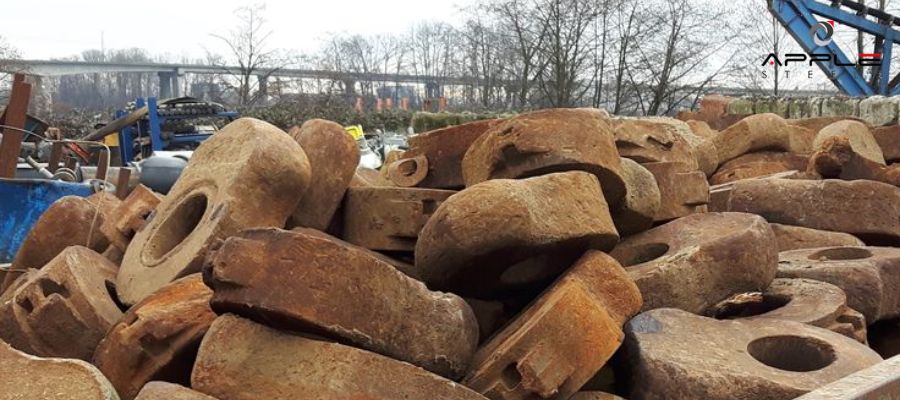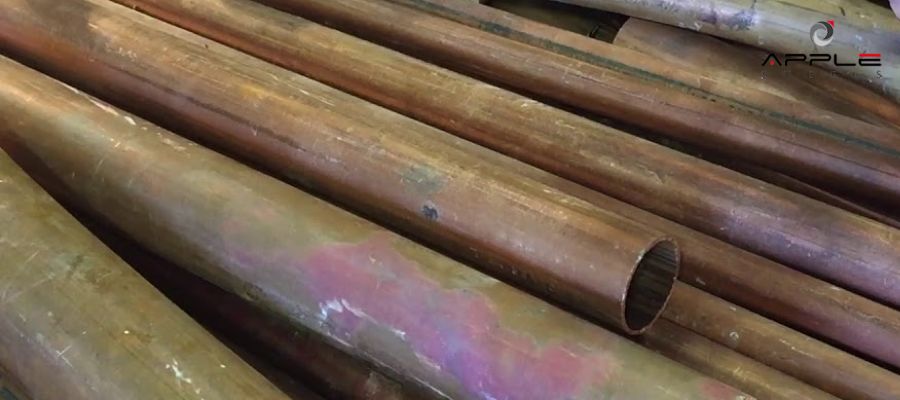
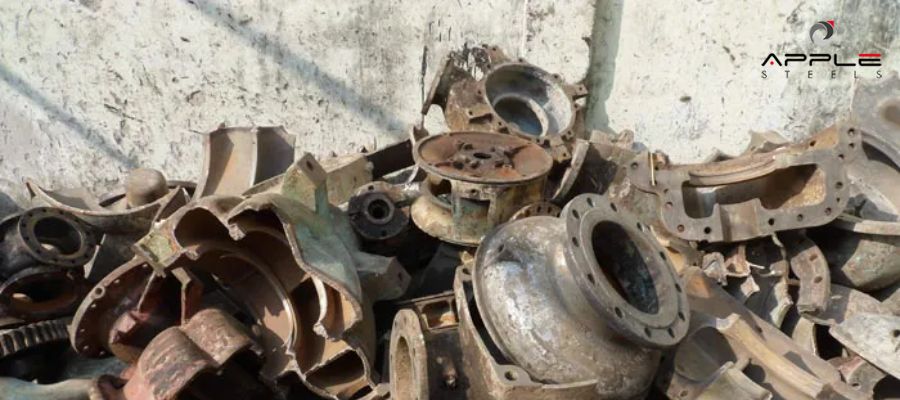
Gunmetal scrap is used a lot because it works almost the same as new metal, just more affordable. It is a copper-based alloy that keeps its strength even after being melted down and reused several times. That is why foundries, shipyards and machine shops keep buying it instead of going for new metal every time. More companies are recycling now, not just to save money but because raw material prices keep moving and supply is not always steady. Recycled gunmetal scrap costs less and takes less energy to process than starting from ore. Anyone dealing in gun metal scrap knows the industries that use it need the material to stay consistent, batch after batch.
What Is Gunmetal Scrap?
Gunmetal is basically bronze with copper, tin and zinc mixed in, usually around 88% copper, 10% tin and 2% zinc. New gunmetal comes from smelting ore, which takes a fair bit of energy and cost. Scrap comes from old valves, worn bushings and marine parts that have finished their working life, mostly out of machine shops and ship breaking yards, since gunmetal parts tend to outlast the machines they were fitted in. This is why a lot of gunmetal scrap material ends up back in circulation, and it melts down fine without losing its strength, unlike some other metals.
Why Recycled Gunmetal Scrap Is in High Demand
Recycled gunmetal scrap solves a few problems at once for manufacturers. It costs less than virgin metal, and it does not use up fresh ore reserves, which are getting harder to source. Melting scrap also takes less energy than primary smelting. On top of that, the metal holds up well in wet or corrosive conditions and places with a lot of friction, where cheaper alloys tend to give up early. It handles repeated melting without much loss in quality, so the same scrap can go through the loop more than once.
Top Industries That Use Recycled Gunmetal Scrap
Marine Industry
Gunmetal is used for propellers, pumps, valves and seawater fittings on ships. It resists pitting and corrosion better than plain steel, so parts last longer in saltwater conditions.
Plumbing and Water Supply
Pipe fittings, valve bodies and other water distribution parts are often made from gunmetal. It does not scale up or corrode easily inside, so these parts stay in service for years.
Automotive Industry
Bushings, bearings and gear components use gunmetal for its low friction and stability under load. These parts are usually precision machined and gunmetal holds its shape well through repeated stress.
Industrial Machinery Manufacturing
Pump housings, industrial valves and other wear-prone parts in heavy machinery are made from gunmetal. Gunmetal metal scrap feeds into this a lot, since machine parts often need replacing before the metal itself wears out.
Oil & Gas Industry
Valve parts, offshore equipment and pressure fittings in this sector need to handle corrosion and harsh conditions. Gunmetal holds up against sour gas and saltwater, which is why it shows up often in this kind of equipment.
Foundries and Metal Casting
Foundries take collected scrap and melt it down for new castings, whether that is industrial parts or custom cast products, keeping material moving in a loop instead of sitting in scrapyards.
Gunmetal Scrap Recycling Process
The process starts with collecting scrap from demolition sites, old ships, and machine shop leftovers. It gets sorted by grade, cleaned to remove paint and other attachments, then melted and refined to bring it back to spec before being cast into ingots or new parts. Gunmetal recycling scrap handled this way meets the same standards as virgin metal, so foundries do not need to change their process to use it.
Advantages of Using Recycled Gunmetal Scrap
The biggest advantage is cost. Scrap is less expensive than mined and refined metal and needs less energy to process. Quality stays consistent across batches, which matters where tolerances are tight. It also means less waste going to landfill and less pressure on raw material supply, which helps buyers avoid the price swings tied to virgin metal.
Conclusion
Recycled gunmetal scrap holds a solid place across marine, plumbing, automotive, machinery, oil and gas, and foundry work. It keeps its strength and corrosion resistance through repeated recycling, making it a practical option instead of always sourcing virgin alloy. With industries under more pressure to cut costs and reduce environmental impact, this kind of recycling should stay relevant for a long while.