Manufacturers now treat stainless steel recycling as a purchasing strategy, and SS 304 Scrap sits at the center of it. Grade 304 keeps its corrosion resistance and strength long after a component leaves service. That durability lets mills melt it again and again. Buyers who source Stainless Steel 304 Scrap cut raw material spend and avoid the mining and processing load that virgin metal carries, which keeps demand for quality-verified material rising.
What Is SS 304 Scrap?
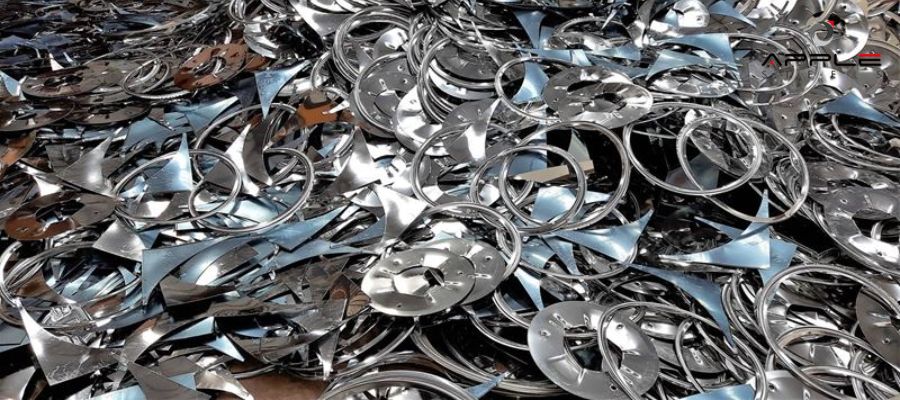
SS 304 Scrap is recovered material from Grade 304, an austenitic stainless steel with approximately 18% chromium and 8% nickel. Those two elements give the alloy its corrosion resistance, and clean, correctly sorted scrap carries the same chemistry into the next melt. Two sources supply it. Manufacturing scrap comes from offcuts and trimmings created during fabrication, while post-consumer scrap comes from equipment, tanks, and fittings retired at the end of their working life. Anyone buying SS 304 Metal Scrap should confirm that the supplier verifies the grade and composition before the material reaches a melt shop.
Why Mills Value SS 304 Scrap
Grade 304 survives repeated melting and refining without losing its mechanical properties. That recyclability drives its appeal. Strength and corrosion resistance pass straight into new products, so mills depend less on virgin ore, which demands far more energy to produce. Stainless Steel Scrap recovery shrinks the footprint of new stainless production, and it gives manufacturers a lower-cost input than primary metal.
Industrial Applications of Recycled SS 304 Scrap
Stainless Steel Manufacturing
Mills melt SS 304 Scrap back into sheets, coils, pipes, and bars. The loop keeps material quality consistent from batch to batch and keeps production circular.
Construction Industry
Fabricators turn recycled 304 into handrails, architectural panels, decorative trim and building hardware because the grade’s finish and durability suit both structural and visible applications.
Food Processing Industry
Storage tanks, commercial kitchen equipment and work surfaces made from recycled 304 resist corrosion under constant washdown and food contact. Surfaces stay safe and easy to sanitize.
Chemical and Pharmaceutical Industry
Process vessels, mixing tanks and pipelines face corrosive media every day. Equipment built from SS 304 Scrap withstands sustained chemical contact without contaminating the process stream.
Automotive Industry
Exhaust components, brackets, trim parts and fasteners use recycled 304 as a cost-effective input where corrosion resistance still matters.
Engineering and Fabrication
Custom fabrication shops, machine component makers, and industrial equipment producers buy recycled 304 stock for daily work where certified quality counts as much as price.
Benefits of Recycling Stainless Steel 304 Scrap
- Recycling SS 304 Scrap reduces the need to mine virgin ore and protects natural resources.
- Melting scrap consumes less energy than producing primary metal.
- Carbon emissions fall across the manufacturing supply chain.
- The metals industry is moving closer to a circular economy.
- Retired equipment stays out of landfills.
- Material quality holds through repeated recycling cycles.
- Companies that purchase raw materials pay less for them.
The SS 304 Scrap Recycling Process
- Collectors gather scrap from manufacturing and post-consumer sources.
- Sorters separate material by grade to confirm 304 composition.
- Crews clean the scrap and remove contaminants.
- Shredders cut it into manageable sizes.
- A furnace melts the batch.
- Refining adjusts the final chemistry.
- Mills roll the metal into new stainless steel products.
What to Check Before Buying SS 304 Scrap
Grade verification comes first because mixed or misgraded scrap compromises the finished product. Confirm chromium and nickel content instead of assuming it. Then check cleanliness and any contaminants that would affect melt quality. Supplier selection carries equal weight. Weigh the quantity and consistency of supply, and insist on inspection and quality control before accepting any lot.
Conclusion
SS 304 Scrap ranks among the most requested recyclable stainless steel commodities. After repeated recycling cycles, it keeps its corrosion resistance and strength, serving construction, food processing, chemical, automotive and fabrication buyers while delivering environmental and cost gains that virgin metal cannot match. Recycled stainless steel gives manufacturers a route to a more sustainable supply chain without giving up quality. Apple Steels supplies certified SS 304 Scrap and verifies grade and specification before every order ships..