Metal buyers and fabricators rely on one basic classification before any purchase decision: ferrous or non-ferrous. The distinction determines strength, weight, corrosion behaviour, and cost across construction, automotive and marine projects. Stainless steel scrap sits at the centre of this classification because it recovers chromium and nickel that manufacturers would otherwise need to mine or import. This guide compares composition, properties, applications and recyclability so the right material is chosen.
What Are Ferrous Metals?
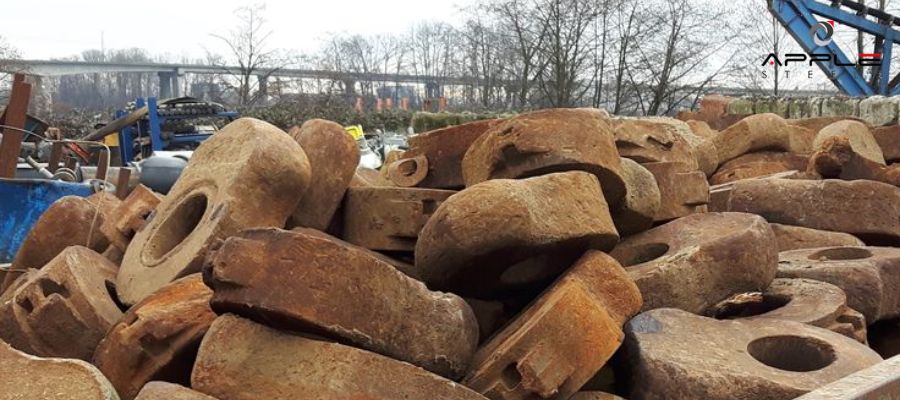
Ferrous metals contain iron as their primary element and that iron content defines their behaviour under load. Carbon steel, alloy steel, cast iron and stainless steel all fall into this group, though each carries a different mix of additional elements. Iron gives these metals notable tensile strength and hardness, which is why bridges and engine blocks depend on them. Most ferrous metals also respond to magnets, a trait scrap yards use during sorting. Construction and heavy engineering firms select ferrous grades first, then adjust alloy composition when corrosion resistance becomes a priority.
What Are Non-Ferrous Metals?
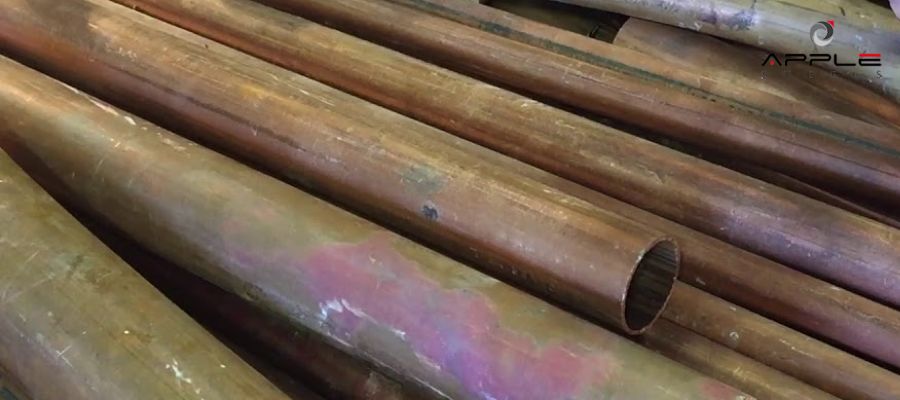
Non-ferrous metals contain little or no iron, which affects their density, conductivity and resistance to rust. Main examples include aluminium, copper, brass, bronze, nickel, titanium and zinc. Copper is a good conductor of electricity. Aluminium is light at scale and titanium resists exposure to salt water without degrading on the surface. None of these metals attract a magnet under normal conditions. Aerospace makers and marine builders prefer non-ferrous options, where weight savings and corrosion resistance outweigh the higher raw material cost.
Ferrous vs Non-Ferrous Metals: Key Differences
The table below sets out the core distinctions in composition, mechanical behaviour, and typical use across industries.
| Property | Ferrous Metals | Non-Ferrous Metals |
| Primary Element | Iron | Little or No Iron |
| Strength | High | Moderate to High |
| Corrosion Resistance | Lower (except stainless steel) | Generally Excellent |
| Weight | Heavier | Lighter |
| Magnetic Properties | Usually Magnetic | Usually Non-Magnetic |
| Conductivity | Moderate | Excellent |
| Cost | Generally Lower | Generally Higher |
| Recyclability | Excellent | Excellent |
| Typical Industries | Construction, Automotive, Heavy Engineering | Aerospace, Marine, Electrical, Architecture |
Differences Based on Properties
The following properties drive most material selection decisions.
Iron content sets the strength base for a metal, since higher iron levels raise tensile strength but also add weight.
Corrosion resistance separates the two groups sharply. Iron oxidises in moist air, so ferrous metals rust without protective coatings, while non-ferrous metals form a stable oxide layer instead. Stainless steel is the exception among ferrous metals, since chromium forms a passive layer that blocks rust in the same way.
Magnetic behaviour helps recyclers separate scrap streams. Aluminium, brass and copper do not respond to magnets, keeping sorting lines accurate.
Weight and density decide fit for purpose, as ferrous metals handle heavy structural loads while non-ferrous metals reduce fuel consumption in aircraft and vehicles.
Ferrous vs Non-Ferrous Metals in Industrial Applications
Industry choice between the two groups usually comes down to cost against weight and corrosion demands.
Construction
Ferrous metals remain the primary structural material for compressive strength at lower cost per tonne, while non-ferrous metals appear only in decorative fittings and cladding.
Automotive
Ferrous metals form the chassis and structural frame, while non-ferrous metals such as aluminium reduce weight in body panels and engine components.
Aerospace
Ferrous use stays limited to fasteners and select components, while non-ferrous alloys dominate airframes because weight reduction improves fuel efficiency.
Marine
Hulls and propellers that require weight and corrosion protection are made of aluminium and copper alloys, with stainless steel fittings being used in saltwater areas.
Electrical
Only use ferrous metals here; copper and aluminium conduct current efficiently through wiring and busbars.
Oil and Gas
These pipes and equipment are ferrous and used for high-pressure transport; others are special-purpose non-ferrous for corrosive or offshore use.
Where Does Stainless Steel Fit?
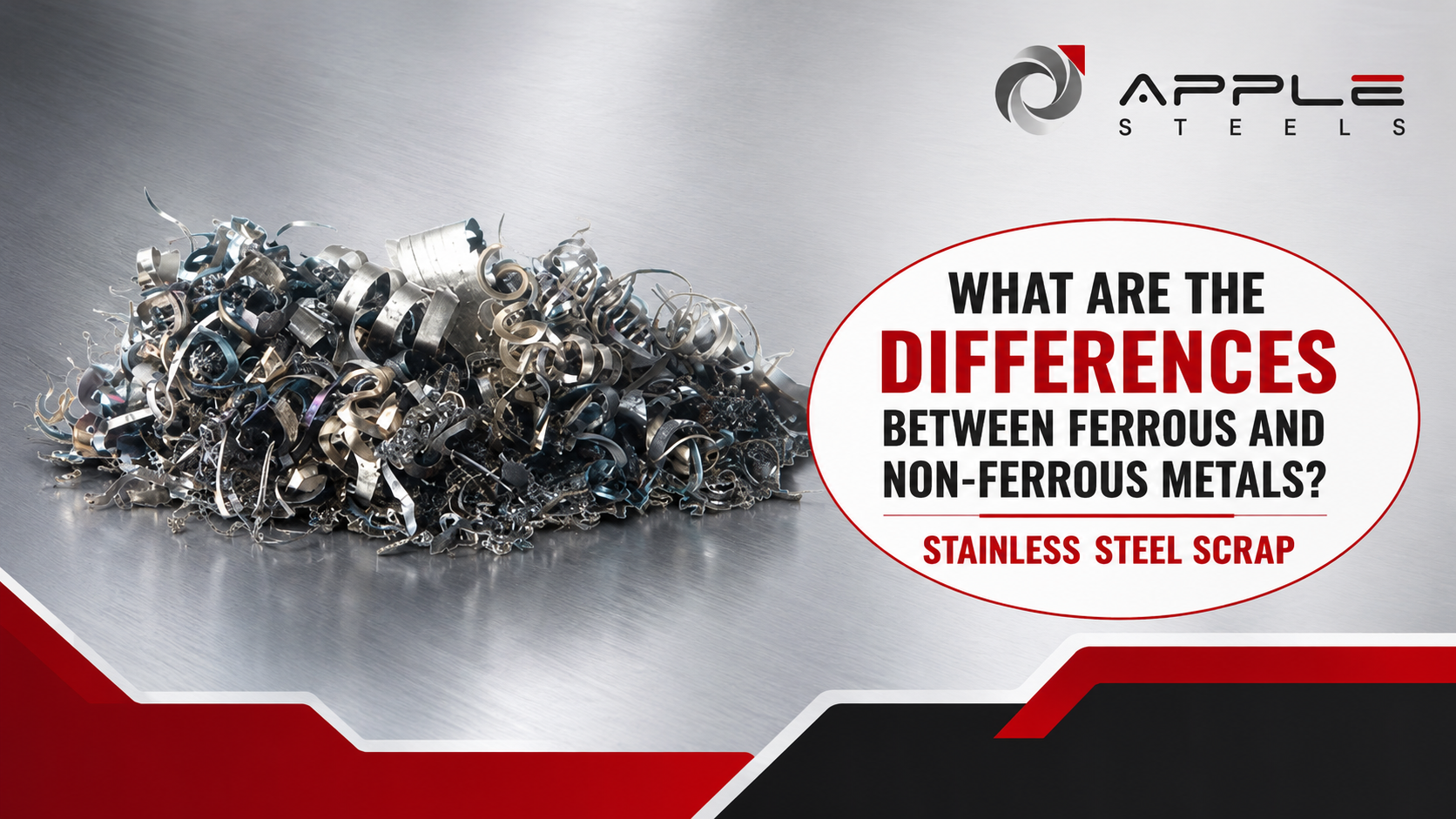
Stainless steel is a ferrous metal, since iron remains its base element. Manufacturers add chromium, typically above 10.5%, along with nickel in many grades, to form the passive oxide layer that resists rust. This addition gives stainless steel corrosion resistance that plain carbon steel cannot match without coating. That performance gap drives demand for stainless steel scrap, since recovered chromium and nickel cost less than freshly mined material.
Why Stainless Steel Scrap Is Valuable in Metal Recycling
Stainless steel scrap is very recyclable because its chromium and nickel remain recoverable during the normal melting processes, whereas coatings burn off during the process. Recovering these elements reduces the amount of raw ore that companies would be using for new stainless steel production, reducing the environmental impact. This is particularly important for grades that contain a high percentage of nickel, which are utilised in food processing and marine equipment. Reliable stainless steel scrap suppliers such as Apple Steels keep this recovery loop consistent for manufacturers who need steady grade specifications.
Conclusion
Ferrous and non-ferrous metals differ in iron content, corrosion resistance, strength, magnetism and the industries that depend on them. Selecting between the two comes down to the structural, environmental and performance demands of the application. Stainless steel scrap allows sustainable manufacturing by recycling chromium and nickel as opposed to dumping them in landfills. Visit Apple Steels to view stainless steel scrap grades, specifications and sourcing solutions for industrial applications.