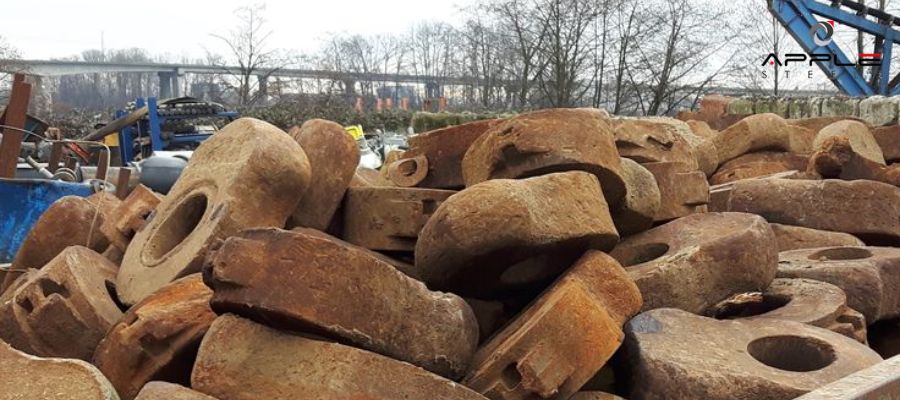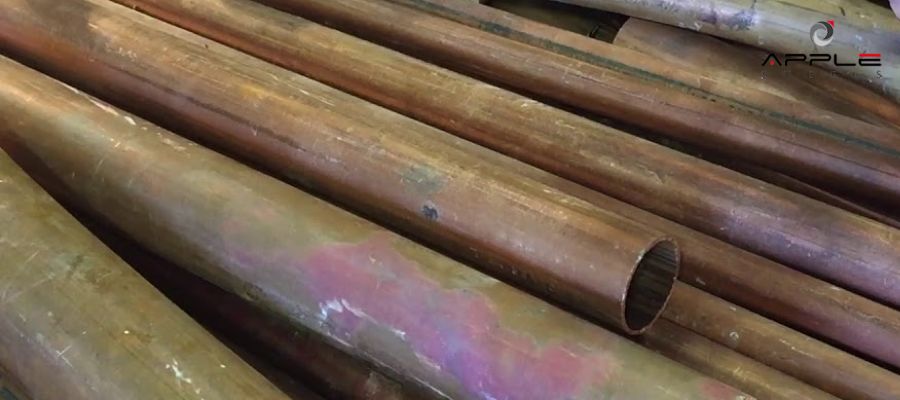
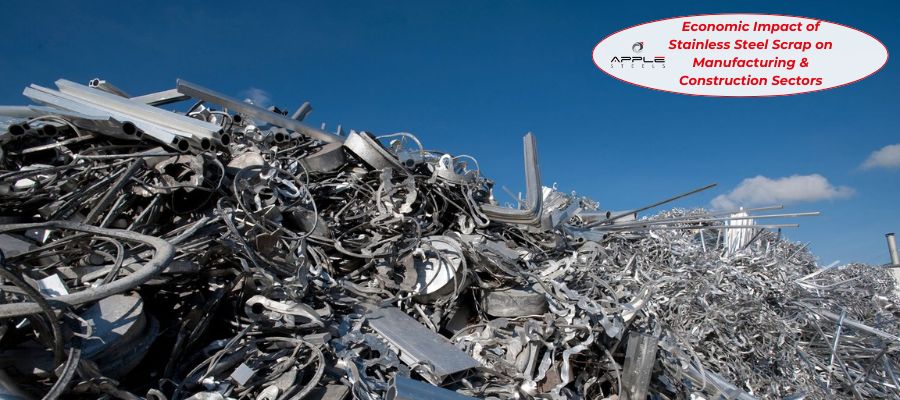
In the modern world, stainless steel scrap has become a critical component of the global manufacturing and construction sectors. As industries strive to enhance efficiency and sustainability, the role of recycled materials, particularly stainless steel scrap, cannot be overstated. Stainless steel is one of the most widely used materials in construction, automotive, and industrial applications, but as the demand grows, so does the need for recycling and reuse of this valuable metal. The economic impact of stainless steel scrap is vast, influencing everything from production costs to environmental sustainability.
Stainless Steel Scrap: A Vital Resource in Manufacturing
Stainless steel is used in a variety of applications, from kitchen appliances to industrial machinery. Its strength, corrosion resistance, and aesthetic appeal make it an ideal material for a wide range of industries. However, the high demand for stainless steel results in increased production costs. This is where stainless steel scrap comes into play.
Recycling stainless steel scrap reduces the need for virgin raw materials, which significantly lowers production costs. The global stainless steel scrap market plays a vital role in stabilizing prices and ensuring a steady supply of materials for manufacturing industries. Scrap is collected from various sources, such as manufacturing waste, end-of-life products, and industrial by-products, and it is processed and reintroduced into the supply chain. This process not only lowers manufacturing costs but also contributes to sustainability by reducing the environmental impact of mining and processing raw materials.
Economic Contribution to Global Manufacturing
The global manufacturing industry relies heavily on stainless steel scrap to meet its material needs. According to various industry reports, a significant percentage of stainless steel production worldwide is derived from recycled scrap. This shift toward recycling has allowed manufacturers to stabilize production costs, which can fluctuate based on the price of raw materials.
The economic impact is especially profound in countries with large manufacturing bases, such as China, the United States, and Germany. These nations are among the largest consumers of stainless steel scrap, using it to produce everything from kitchenware to industrial machinery. By incorporating recycled scrap into their production processes, manufacturers not only reduce their dependence on raw materials but also reduce energy consumption, as the recycling process uses less energy than extracting and refining virgin steel.
Additionally, the global stainless steel scrap market creates jobs in the recycling and scrap processing sectors. From scrap collection to processing and transportation, there are numerous employment opportunities that drive local economies. The value of the stainless steel scrap trade is in the billions, with major players in the recycling industry reaping significant financial benefits.
Impact on the Construction Industry
Stainless steel has long been a staple in the construction industry due to its durability, strength, and resistance to corrosion. From structural components in skyscrapers to pipelines in infrastructure projects, stainless steel is integral to modern construction. The need for stainless steel in construction continues to grow as global infrastructure development accelerates, particularly in emerging economies.
The availability of stainless steel scrap plays a crucial role in meeting this demand. Instead of relying solely on mined raw materials, the construction industry can now source a significant portion of its stainless steel needs from recycled scrap. This helps reduce costs for contractors and builders, making stainless steel a more affordable option for large-scale construction projects.
Furthermore, the use of stainless steel scrap in construction helps reduce the industry’s environmental footprint. Construction is one of the most resource-intensive sectors globally, and incorporating recycled materials can significantly reduce the need for new mining and processing. This aligns with global sustainability goals and helps reduce the carbon footprint of the construction sector.
The Environmental Benefits of Recycling Stainless Steel Scrap
One of the key reasons for the rise in stainless steel scrap recycling is its environmental benefits. Recycling stainless steel scrap requires significantly less energy compared to producing new stainless steel from raw materials. It also reduces greenhouse gas emissions, which is vital in addressing climate change.
For example, recycling one ton of stainless steel scrap saves approximately 1.5 tons of iron ore, 0.5 tons of coal, and 0.25 tons of limestone. The energy savings are equally significant: it takes around 60% less energy to produce stainless steel from scrap compared to producing it from raw materials. These reductions in energy consumption and emissions make stainless steel scrap recycling an essential part of the global push toward a circular economy.
By recycling stainless steel scrap, industries can help conserve natural resources, reduce landfill waste, and mitigate the environmental impact of manufacturing processes. This has become especially important as global awareness of environmental issues grows and governments around the world implement stricter regulations to reduce carbon footprints.
Market Trends and Future Outlook
The global stainless steel scrap market has seen substantial growth in recent years, driven by the increasing demand for recycled materials in manufacturing and construction. The growth of emerging economies, particularly in Asia, has led to a surge in demand for stainless steel, further driving the need for efficient scrap recycling processes.
As technological advancements continue to improve the efficiency of scrap collection, processing, and recycling, the economic impact of stainless steel scrap will only continue to grow. The development of new recycling technologies, such as automated sorting and advanced shredding techniques, will make it easier to recover stainless steel from various waste streams, ensuring a steady supply of high-quality scrap for manufacturers.
Additionally, the increasing emphasis on sustainability and green building practices in construction will likely lead to more widespread use of stainless steel scrap. As more countries adopt stricter environmental regulations and embrace circular economy principles, the demand for recycled materials, including stainless steel scrap, will continue to rise.
Conclusion
The economic impact of stainless steel scrap in global manufacturing and construction cannot be understated. As industries move toward more sustainable practices, recycling stainless steel scrap offers a cost-effective and environmentally friendly solution. The ability to recycle stainless steel not only reduces production costs but also helps conserve natural resources and reduce the carbon footprint of industries. With the ongoing growth of global manufacturing and construction, the role of stainless steel scrap will continue to be integral to maintaining economic stability and driving sustainability in these sectors.