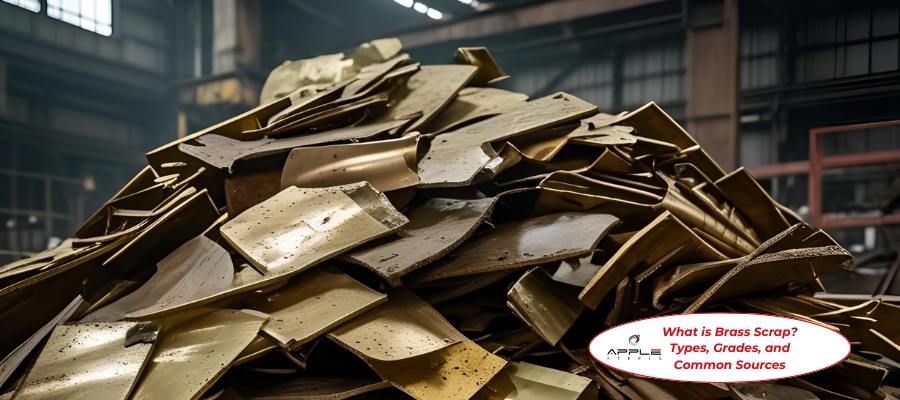
Brass is an alloy composed of copper and zinc. It is highly known for its strength, corrosion resistance, and ease of shaping. When brass is no longer in use, it becomes scrap, and then this scrap is gathered, processed, and recycled into new items. Recycling brass saves raw materials and energy, thus it benefits both industry and the environment.
Brass scrap is widely used in manufacturing. It can be melted and formed again without losing quality. Because of this, it has a strong demand in both domestic and export markets. Knowing the types, grades, and sources of brass scrap helps in getting the best recycling value.
Understanding Brass Scrap
Brass scrap refers to discarded or surplus brass that is ready for recycling. It comes from both industrial production and used products. Brass is made by combining copper and zinc in varying ratios, which affects its strength, corrosion resistance, and color. Due to its adaptability, it can be used for decorative, mechanical, electrical, and plumbing work. Brass scrap is generally divided into two categories: new or industrial scrap, which is clean waste from manufacturing, such as offcuts and turnings and old or post-consumer scrap, which comes from used items like taps, valves, fittings, and hardware. Clean industrial scrap is more expensive since it requires less processing, whereas post-consumer scrap may need sorting and cleaning before reuse. Both types are important to the recycling industry, providing a steady supply of high-quality material for new production.
Types of Brass Scrap
Brass scrap is not a single, uniform material; it comes in various forms depending on its composition and origin. Understanding these categories is essential for correct value and efficient recycling.
- Yellow Brass Scrap: This scrap is the most common, having approximately 60-65% copper and 35-40% zinc. Its bright gold colour, superior corrosion resistance and strength make it a popular choice for plumbing fittings, valves, gears, and decorative hardware. Yellow brass is in high demand on the recycling market due to its versatility and wide range of applications.
- Red Brass Scrap: It has a much higher copper concentration, usually about 85%, with the rest consisting of zinc, tin, and trace elements. Its reddish-brown tone and superior corrosion resistance make it perfect for heavy-duty plumbing components, pump shafts, and sprinkler systems. Due to its higher copper percentage, red brass scrap generally commands a higher price than yellow brass.
- Mixed Brass Scrap: Mixed brass scrap is a mixture of several brass varieties that are frequently collected from demolition sites, plumbing repairs, or scrapped machinery. The composition can vary widely and because of this inconsistency, mixed brass usually has a lower market value than sorted, single-type brass.
- Cartridge Brass Scrap: It is made from a 70% copper and 30% zinc alloy, known for its ductility and corrosion resistance. As the name suggests, it is mostly made from spent bullet casings, specifically rifle cartridges. Its uniform composition guarantees a steady recycling value making it a popular scrap type.
- Naval Brass Scrap: It comprises around 60% copper, 39% zinc, and 1% tin, making it exceptionally resistant to seawater corrosion. This makes it an ideal material for marine equipment, including propeller shafts and ship fittings. Due to its particular applications, naval brass scrap frequently demands a premium price.
Grades of Brass Scrap
The Institute of Scrap Recycling Industries (ISRI), establishes standard grades for brass scrap. These grades offer an easy way to determine quality and value. A grade is determined by the scrap’s composition, condition, and contamination level.
- Honey: Clean yellow brass scrap, free from iron, aluminum, or foreign attachments. It has a balanced copper-zinc ratio and is often sourced from plumbing fixtures and hardware.
- Ebony: Clean red brass scrap with a high copper content. It is ideal for remelting and is usually obtained from heavy valves, pumps, and industrial fittings.
- Label: Clean cartridge brass scrap, generally from spent ammunition. It is free of powder or residue and valued for its strength and purity.
Knowing these grades helps sellers seek maximum returns and ensures buyers receive consistent, high-quality feedstock for production.
Common Sources of Brass Scrap
Brass scrap comes from a variety of industries and products, each offering different grades and types.
- Plumbing Fixtures and Fittings – Includes taps, faucets, pipe connectors, and valves commonly found in residential and commercial buildings. These components are frequently replaced during restorations or repairs, resulting in a steady supply of brass scrap.
- Electrical Components – Brass is used in connectors, switches, and electrical terminals due to its conductivity and resistance to corrosion. Discarded or obsolete electrical systems frequently produce recovered brass.
- Mechanical Parts and Hardware – Brass is commonly used in machinery, gears, bearings and fasteners because of its strength and machinability. When equipment is disassembled, these parts contribute to the brass scrap supply.
- Ammunition Casings – Cartridge brass, frequently collected from shooting ranges, and military installations, comes from spent bullet and rifle casings. Its consistent composition makes it highly valuable for recycling.
- Decorative Items and Antiques – Lamps, candlesticks, musical instruments and other ornamental items frequently contain brass. While these goods may require coating removal before processing, they can give significant scrap value.
By identifying these sources and separating brass from other metals during dismantling or demolition, recyclers can improve recovery rates and profitability.
Value and Market Demand
The value of brass scrap is primarily determined by its copper content; the higher the copper percentage, the greater the value. Clean, sorted brass with minimal contamination will fetch higher prices than mixed or dirty scrap. Global demand for copper and zinc influences market pricing, as do economic conditions in industries such as building, electrical manufacturing, and automotive manufacturing.
In recent years, the brass scrap market has shown resilience, supported by steady industrial demand and the push for sustainable manufacturing. Many countries are supporting brass recycling as part of their environmental policies, which increases market demand. For dealers and recyclers, staying informed about market trends can help maximize profitability.
The Importance of Brass Scrap Recycling
Brass scrap is a valuable resource for recycling. Knowing the types, grades, and sources helps in getting the best value and reducing waste. Yellow brass, red brass, cartridge brass, and other varieties each have varied applications and pricing ranges. By collecting and sorting brass scrap correctly, you can help both your business and the environment. Recycle brass scrap responsibly to keep this useful metal in circulation for years to come.