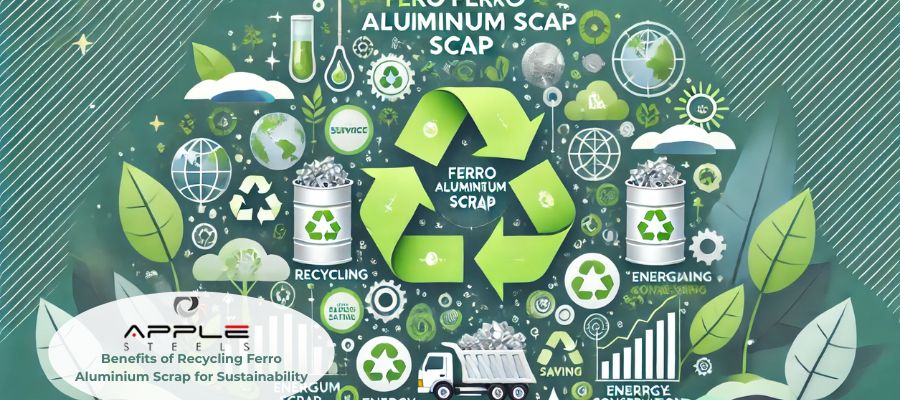
In today’s environmentally conscious world, the focus on sustainable manufacturing practices has never been more critical. One effective way to achieve sustainability is through the recycling of ferro aluminium scrap. This practice not only conserves resources but also provides significant economic and environmental benefits. Here, we delve into the top benefits of recycling ferro aluminium scrap for sustainable manufacturing.
1. Resource Conservation
Recycling ferro aluminium scrap significantly conserves natural resources. Aluminium is primarily sourced from bauxite, which requires extensive mining and refining processes. According to the International Aluminium Institute, the world’s bauxite reserves are finite, and as demand increases, the pressure on these resources grows. By recycling scrap, manufacturers can reduce the need for new aluminium production, thereby helping to preserve bauxite reserves and lower the environmental impact associated with mining and refining. In fact, recycling one ton of aluminium saves 4 tons of bauxite from being mined.
2. Energy Efficiency
The energy savings associated with recycling aluminium are staggering. The recycling process requires only about 5% of the energy used in primary aluminium production. This not only leads to lower energy costs but also significantly reduces greenhouse gas emissions. According to the U.S. Geological Survey, recycling aluminium can prevent the release of 9 metric tons of carbon dioxide for every ton of aluminium produced. This remarkable reduction in energy consumption directly contributes to global efforts to combat climate change.
3. Cost Savings
Utilizing recycled ferro aluminium scrap can lead to substantial cost savings for manufacturers. The reduced energy and resource requirements of recycling compared to primary production can lower overall production costs. For example, industries that rely on large volumes of aluminium, such as automotive and aerospace, can significantly cut costs by sourcing recycled materials. Additionally, companies can benefit from less waste disposal expense and potential revenue from selling excess scrap material.
In regions where energy costs are rising, the shift to recycled aluminium can also insulate manufacturers from fluctuating energy prices, creating a more stable cost structure.
4. Reduction of Landfill Waste
Recycling ferro aluminium scrap helps divert waste from landfills, addressing the growing issue of waste management. In many countries, landfill space is diminishing, and waste management costs are rising. According to the Environmental Protection Agency (EPA), recycling and composting prevented the release of 186 million metric tons of carbon dioxide equivalent into the air in 2013 alone. By recycling scrap, manufacturers can contribute to a circular economy, where materials are reused and recycled rather than discarded.
5. Enhanced Product Quality
Ferro aluminium alloys produced from recycled materials can match or even exceed the quality of those made from virgin materials. The recycling process can help refine the metal’s properties, resulting in improved performance in various applications. For instance, recycled aluminium has superior corrosion resistance and can achieve tighter tolerances in manufacturing processes. This allows manufacturers to produce high-quality products while minimizing their environmental impact.
Furthermore, many automotive companies are now utilizing recycled aluminium in vehicle production, leading to lighter and more fuel-efficient cars.
6. Promoting Sustainable Practices
Recycling ferro aluminium scrap encourages sustainable manufacturing practices throughout the supply chain. Companies that adopt recycling initiatives can enhance their corporate social responsibility (CSR) profile, appealing to environmentally conscious consumers. This can improve brand loyalty and attract new customers who prioritize sustainability. A study by Nielsen revealed that 66% of global consumers are willing to pay more for sustainable brands, highlighting the market potential for companies focused on recycling and sustainability.
7. Job Creation
The recycling industry creates jobs in collection, processing, and manufacturing. According to the Institute of Scrap Recycling Industries (ISRI), the recycling industry in the U.S. accounts for over 1.1 million jobs and generates approximately $110 billion in revenue. Investing in recycling initiatives not only benefits the environment but also fosters economic growth by creating employment opportunities. This is especially important in local communities, where recycling facilities can provide stable jobs and contribute to the economy.
8. Support for Circular Economy
Recycling ferro aluminium scrap is a vital component of the circular economy, which focuses on reusing materials and reducing waste. This economic model contrasts sharply with the traditional linear economy, where resources are extracted, used, and disposed of. By integrating recycling into manufacturing processes, businesses can help create a more sustainable system that benefits both the environment and the economy. The Ellen MacArthur Foundation advocates for this model, emphasizing its potential to create new business opportunities and drive innovation.
9. Regulatory Compliance and Incentives
Many governments worldwide are implementing stricter regulations on waste management and resource usage. By recycling ferro aluminium scrap, manufacturers can comply with these regulations, avoiding potential penalties. Furthermore, various incentives and subsidies are often available for companies that engage in recycling. For instance, in the U.S., some states offer tax credits and grants for recycling programs, further enhancing the financial viability of recycling initiatives.
10. Community Engagement and Education
Recycling ferro aluminium scrap also opens avenues for community engagement and education. Companies can collaborate with local governments and organizations to promote recycling programs, raising awareness about the importance of recycling and sustainability. Educational initiatives can encourage individuals and businesses to recycle more effectively, leading to increased scrap collection and processing rates. This community involvement can enhance a company’s reputation and strengthen its ties with local stakeholders.
Conclusion
Recycling ferro aluminium scrap is a powerful strategy for promoting sustainable manufacturing. The benefits range from resource conservation and energy efficiency to cost savings and enhanced product quality. By embracing recycling, companies not only contribute to environmental protection but also position themselves as leaders in sustainability, attracting a growing base of eco-conscious consumers.
As we move toward a more sustainable future, recycling ferro aluminium scrap will play a crucial role in shaping the manufacturing landscape. By investing in recycling practices, manufacturers can create a win-win scenario—enhancing their profitability while protecting the planet for future generations. With continued innovation and commitment to sustainability, the recycling of ferro aluminium scrap can drive significant positive change across industries.