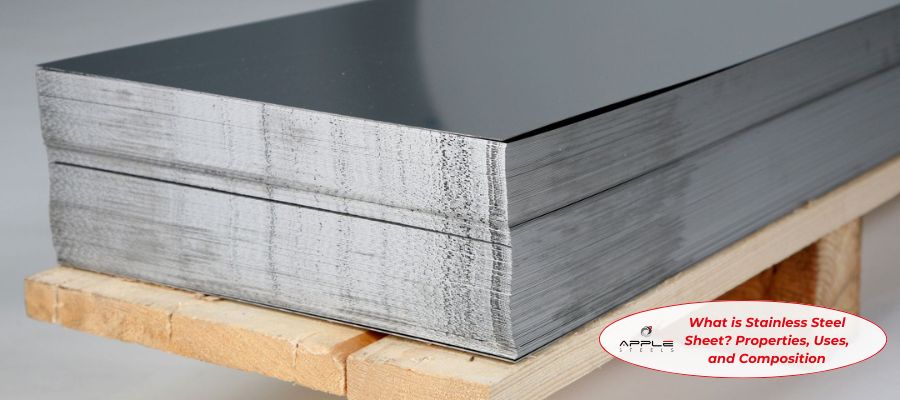
Stainless steel sheets are an essential component in modern manufacturing, construction, and design. Known for their exceptional durability, versatility, and aesthetic appeal, stainless steel sheets have become a go-to material across various industries. But what exactly is a stainless steel sheet, and what makes it so widely used? In this blog, we’ll explore the properties, uses, and composition of stainless steel sheets, providing a comprehensive understanding of their importance.
What is a Stainless Steel Sheet?
A stainless steel sheet is a flat, thin piece of stainless steel that comes in various sizes and thicknesses. It is made from an alloy of iron, carbon, and chromium, with the latter being the defining element that provides corrosion resistance. Sheets of stainless steel are available in multiple grades, including 304, 316, and 430, each tailored to specific applications.
Stainless steel sheets are categorized based on thickness:
- Sheets: Typically range between 0.4 mm to 6 mm in thickness.
- Plates: Thicker than 6 mm, often used in heavy-duty applications.
These sheets are widely used due to their high strength, corrosion resistance, and attractive finish.
Properties of Stainless Steel Sheets
Stainless steel sheets possess a range of properties that make them unique:
- Corrosion Resistance Chromium forms a thin oxide layer on the surface of the stainless steel, protecting it from rust and corrosion. This property makes stainless steel sheets ideal for both indoor and outdoor applications.
- Durability Stainless steel sheets are incredibly strong, capable of withstanding high pressure, temperature, and wear. This makes them suitable for demanding industrial environments.
- Versatility Sheets of stainless steel are available in different finishes, such as matte, brushed, and mirror. These finishes enable their use in decorative as well as functional applications.
- Hygiene Stainless steel is easy to clean and non-porous, making it a preferred choice in food processing, medical, and pharmaceutical industries.
- Recyclability Stainless steel sheets are environmentally friendly as they can be recycled without losing their quality.
- Heat Resistance Stainless steel sheets can withstand high temperatures without warping or losing strength, making them ideal for heat exchangers, ovens, and other high-temperature applications.
Composition of Stainless Steel Sheets
The composition of stainless steel sheets determines their properties and suitability for specific applications. The key components include:
- Iron (Fe): The primary element, providing structure and strength.
- Chromium (Cr): Usually 10.5% or more, offering corrosion resistance by forming a protective oxide layer.
- Nickel (Ni): Enhances toughness and resistance to high temperatures.
- Molybdenum (Mo): Improves resistance to pitting and crevice corrosion.
- Carbon (C): Adds hardness but is kept low to avoid brittleness.
- Other Elements: May include manganese, nitrogen, and silicon for additional strength and stability.
For example, 304 stainless steel sheets contain 18% chromium and 8% nickel, making them one of the most versatile and widely used grades.
Uses of Stainless Steel Sheets
Stainless steel sheets are used across a wide range of industries, thanks to their excellent properties:
- Construction and Architecture
- Stainless steel sheets are commonly used for cladding, roofing, and interior décor. Their resistance to weather and corrosion makes them ideal for architectural applications.
- Automotive Industry
- They are used in manufacturing automotive parts such as exhaust systems, trims, and body panels due to their lightweight yet durable nature.
- Food and Beverage Industry
- Stainless steel sheets are prevalent in kitchen equipment, food processing units, and storage tanks because they are hygienic and easy to clean.
- Medical and Pharmaceutical Industry
- Stainless steel’s non-reactive surface makes it perfect for surgical instruments, medical devices, and lab equipment.
- Energy and Power
- Stainless steel sheets are used in power plants and renewable energy sectors for heat exchangers, boilers, and solar panels.
- Aerospace and Marine
- Their resistance to saltwater corrosion and high strength-to-weight ratio makes them suitable for marine vessels and aerospace components.
- Decorative Applications
- Mirror-finish stainless steel sheets are widely used in elevators, signage, and furniture for their aesthetic appeal.
Price of Stainless Steel Sheets
The price of stainless steel sheets varies depending on factors such as grade, thickness, surface finish, and market demand. For instance:
- 304 Stainless Steel Sheets are more affordable and widely used.
- 316 Stainless Steel Sheets are slightly more expensive due to added molybdenum, providing extra corrosion resistance.
If you’re looking for an affordable option, a thinner sheet of stainless steel will cost less, while heavier stainless steel plates are priced higher. Always compare SS sheet prices before making a purchase to find the best option for your needs.
Conclusion
Stainless steel sheets are indispensable in today’s industrial and commercial landscape. With their unique properties, including corrosion resistance, durability, and versatility, they have applications ranging from construction to aerospace. Understanding their composition and uses can help you make informed decisions when selecting the right type of stainless steel sheet for your needs.
Whether you’re interested in the price of stainless steel sheets, their properties, or their many uses, this material proves to be an invaluable resource in countless industries. Choose the right grade and thickness to ensure optimal performance and value.