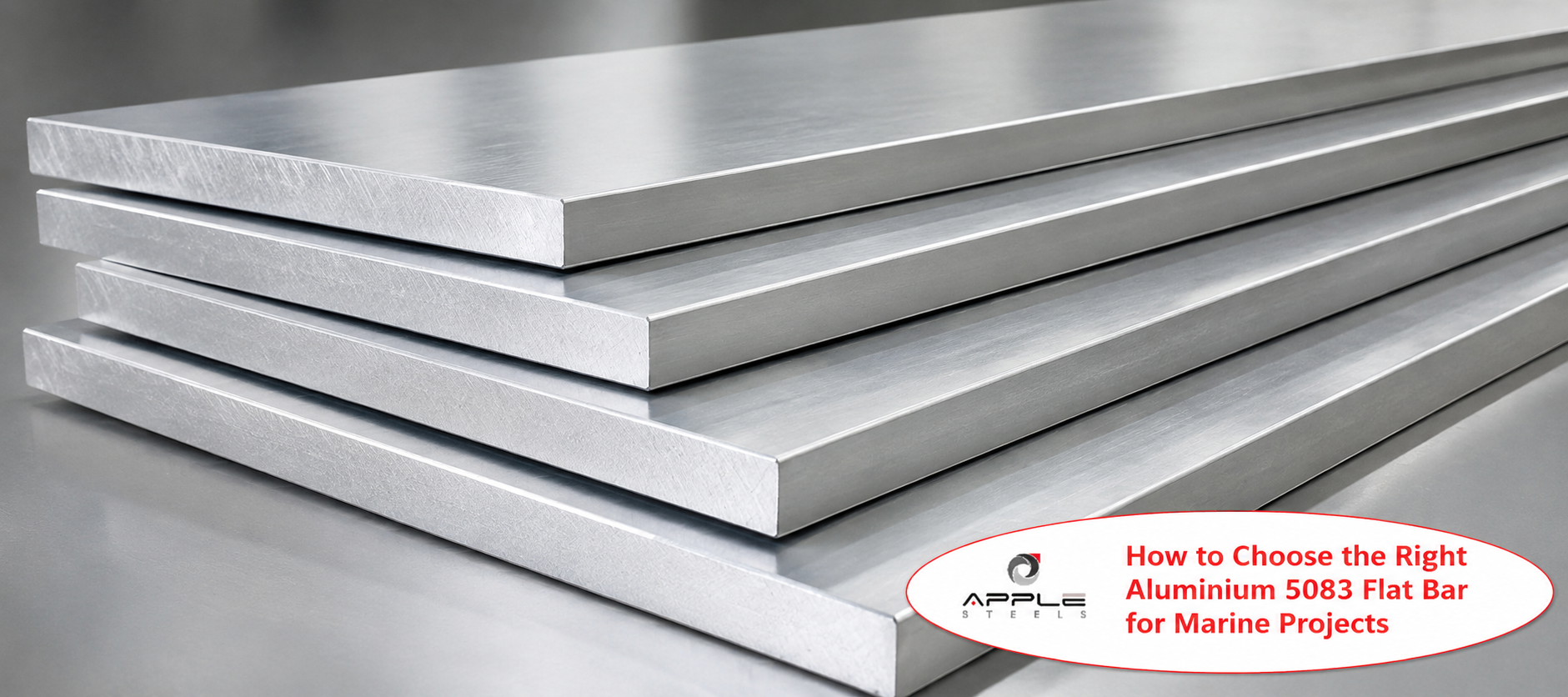
Marine engineering demands materials engineered for hostility. Saltwater destroys standard steel. Aluminium 5083 flat bar provides a specific, engineered solution to this exact problem. This non-heat-treatable alloy relies on a precisely controlled magnesium content; this specific chemistry enables continuous seawater immersion without structural failure. Engineers specify this exact grade to prevent catastrophic metal fatigue. Ocean structures require materials that actively resist their environment.
Understanding Aluminium 5083 Flat Bar
This specific alloy contains high magnesium levels with traces of manganese. The chemical makeup provides solid strength for a metal that avoids heat treatment. An Aluminium 5083 flat bar will not become brittle when frozen, but will continue to hold its shape. The material is easy to fabricate in heavy marine applications. Shipbuilders use this 5083 grade as it handles continuous contact with seawater far more than normal steel alternatives. The metal is resistant to fatigue cracking under heavy mechanical loads. It combines raw durability with practical fabrication properties for demanding heavy industrial structural work.
Key Properties That Make Aluminium 5083 Suitable for Marine Projects
Material selection dictates structural lifespan. Engineers evaluate specific mechanical behaviors before authorizing procurement. Heavy ocean swells test the limits of every fabricated joint.
Excellent Corrosion Resistance in Saltwater Environments
Ferrous metals quickly corrode in marine environments. The 5083 alloy is naturally resistant to this form of decay. Bare surfaces can last for decades in submerged conditions.
High Strength-to-Weight Ratio
Heavy vessels burn fuel at an inefficient rate. This Aluminium grade permits massive commercial payloads with minimal total hull displacement. Lighter frames dramatically reduce operational overhead.
Weldability and Fabrication Advantages
Complex boat frames require extensive joining. Fabricators utilize standard arc welding techniques on these bars. Joint integrity remains exceptionally high post-weld.
Resistance to Chemical and Industrial Exposure
Port facilities harbor corrosive chemical spills. This specific metal repels industrial pollutants effectively. Fuel oil contact does not compromise the structural matrix.
Important Factors to Consider When Choosing Aluminium 5083 Flat Bar
Procurement must be in accordance with the engineering drawings. Dimensional errors cause immediate delays in fabrication.
Selecting the Right Size and Thickness
Load calculations determine exact thickness requirements. Matching bar dimensions to structural demands prevents catastrophic mechanical failure under pressure.
Understanding Load and Structural Requirements
Ocean waves generate continuous dynamic stress. The selected bar must absorb these repeated kinetic impacts without permanent deformation.
Surface Finish and Treatment Options
Internal supports utilize standard mill finishes. Components facing direct abrasive forces often require hard anodizing to extend their operational timeline.
Choosing Between Standard and Custom Dimensions
Standard inventory accelerates immediate shipyard delivery. Custom extrusion profiles eliminate secondary machining processes on specialized hull designs.
Aluminium 5083 Flat Bar Specifications Buyers Should Know
Metals used in the marine environment must be rigorously tested by classification societies. Buyers should confirm exact chemical compositions before purchase. In the high temperature zones, to prevent stress corrosion cracking, the magnesium concentration should be kept below 4.9%. The tensile strength requirement is usually about 317 MPa. Yield limits hover near 228 MPa. Certified materials always carry documentation proving compliance with international marine construction standards.
Marine Applications of Aluminium 5083 Flat Bar
Heavy industrial sectors rely heavily on this specific metallurgical profile. The bars form the foundation of major offshore construction operations.
Shipbuilding and Boat Construction
Shipwrights build primary structural skeletons using these heavy supports. The material forms the rigid ribs of commercial ferries.
Offshore Platforms and Coastal Infrastructure
Ocean drilling rigs require materials that ignore sea spray. Thick Aluminium plates secure heavy deck equipment against hurricane-force winds.
Marine Transportation Equipment
Specialized transfer vehicles are used at shipping terminals. Loaded cargo containers are easily supported by strong Aluminium chassis members.
Structural and Fabrication Components
Engine rooms demand rigid mounting solutions. Fabricators machine these bars into custom brackets to secure massive marine diesel engines.
Common Challenges in Marine Environments and Material Selection
Ocean engineering presents a hostile operational theater. The right Aluminium grade neutralizes standard structural threats.
Saltwater Corrosion and Oxidation Risks
Seawater acts as an aggressive electrolyte. The 5083 material chemically isolates itself from this destructive galvanic action naturally.
Impact of Temperature and Moisture Exposure
Arctic routes freeze standard ship hulls. This specialized alloy maintains complete structural flexibility regardless of extreme thermal drops.
Preventive Maintenance and Material Longevity
Constant repairs drain operational budgets. Specifying correct marine-grade metals eliminates the need for endless component replacements.
Why Choose Apple steels for Aluminium 5083 Flat Bar Supply
Apple Steels operates as a primary supplier of highly specific industrial metals. We stock the exact specifications for heavy marine engineering. Shipyards rely on our rigorous supply chains to keep tight construction schedules. We provide certified material with complete metallurgical certification. Our experienced technical team can quickly solve complex procurement problems. With decades of specialized distribution experience, we can deliver massive industrial tonnage requirements with no delay.
Sustainability and Industrial Demand for Aluminium 5083 Flat Bar
Strict environmental compliance is required by modern maritime regulations. Aluminium is a resource that is 100% recyclable. Aluminium from scrapped vessels is high-grade and ready for recycling. Melting uses part of the energy cost of refining newly made ore. The expansion of coastal infrastructure has resulted in the consumption of huge amounts of material worldwide. Shipbuilders get big contracts that require huge tonnages of just this alloy. Emissions regulations make commercial fleets shed dead weight. Aluminium displaces heavy steel in the construction of highly efficient transport vessels.
Conclusion
Selecting the correct Aluminium 5083 flat bar dictates the success of demanding marine projects. Correct material choices directly increase vessel safety, as well as the long-term operational durability of expensive coastal infrastructure and large commercial ships, while proper dimensions and grade specifications protect against saltwater corrosion and sudden collapse.