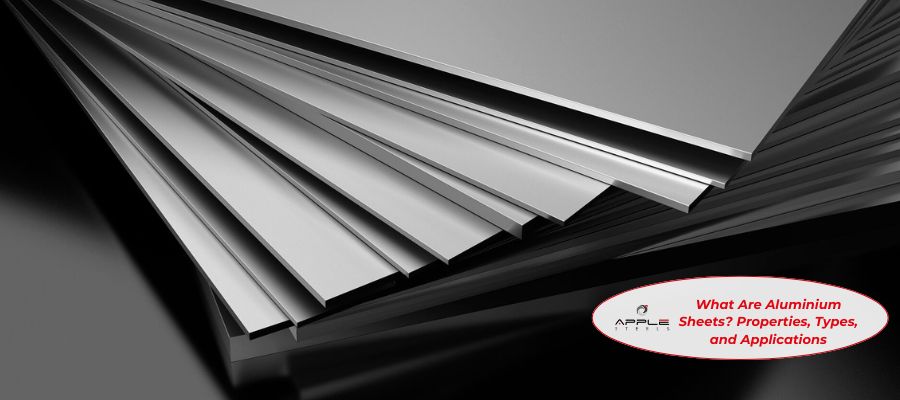
Aluminium sheets are one of the most widely used metal products in various industries due to their excellent properties. Lightweight yet strong, corrosion-resistant, and highly versatile, these sheets are essential for construction, automotive, aerospace, and even household applications. In this blog, we will explore the properties, types, and diverse applications of aluminium sheets.
Properties of Aluminium Sheets
Aluminium sheets are known for their unique combination of properties, making them ideal for various applications. Some key properties include:
1. Lightweight
Aluminium is much lighter than steel, making it an excellent choice for applications where weight reduction is crucial, such as in the aerospace and automotive industries.
2. High Strength-to-Weight Ratio
Despite being lightweight, aluminium sheets offer remarkable strength, making them suitable for structural applications.
3. Corrosion Resistance
Aluminium naturally forms a thin oxide layer on its surface, protecting it from rust and corrosion, making it ideal for outdoor and marine applications.
4. Excellent Thermal and Electrical Conductivity
Aluminium is a great conductor of heat and electricity, making it widely used in electrical wiring, heat exchangers, and cooling systems.
5. Ductility and Malleability
Aluminium sheets can be easily bent, cut, or shaped without breaking, making them highly adaptable for different industrial and decorative uses.
6. Recyclability
Aluminium is 100% recyclable without losing its quality, making it an eco-friendly material for sustainable applications.
Types of Aluminium Sheets
Aluminium sheets come in different types based on their alloy composition and intended applications. Here are some of the most common types:
1. Plain Aluminium Sheets
These sheets are simple, flat aluminium surfaces commonly used in roofing, wall panels, and household applications.
2. Anodized Aluminium Sheets
Anodizing enhances the corrosion resistance of aluminium sheets and adds a decorative finish. These sheets are commonly used in architectural and decorative applications.
3. Perforated Aluminium Sheets
These sheets have holes punched into them to improve ventilation, reduce weight, and enhance aesthetics. They are commonly used in filters, facades, and soundproofing applications.
4. Checker Plate Aluminium Sheets
These sheets have raised patterns to provide a non-slip surface, making them suitable for flooring in industries, transportation, and staircases.
5. Coated Aluminium Sheets
These sheets are coated with special layers such as PVDF or polyester to improve durability, corrosion resistance, and color retention in outdoor applications.
6. Brushed Aluminium Sheets
Brushed aluminium sheets have a satin-like finish, making them ideal for interior design, furniture, and appliances.
Applications of Aluminium Sheets
Due to their outstanding properties and various types, aluminium sheets are used in numerous industries. Some key applications include:
1. Construction and Architecture
Aluminium sheets are extensively used in building facades, roofing, cladding, and window frames. Their lightweight nature and corrosion resistance make them a preferred choice for modern architecture.
2. Automotive Industry
Car manufacturers use aluminium sheets for body panels, engine components, and structural parts to reduce vehicle weight, improve fuel efficiency, and enhance durability.
3. Aerospace Industry
Aluminium sheets are a fundamental material in aircraft manufacturing. Their lightweight and high strength-to-weight ratio make them ideal for fuselage, wings, and structural components.
4. Marine Industry
Thanks to their excellent resistance to corrosion in saltwater environments, aluminium sheets are used in shipbuilding, boat hulls, and offshore structures.
5. Packaging Industry
Aluminium sheets are used to make beverage cans, food containers, and pharmaceutical packaging due to their non-toxic nature, lightweight, and recyclability.
6. Electrical Industry
Because of their high conductivity, aluminium sheets are used in electrical transmission lines, busbars, and electronic enclosures.
7. Household Applications
From kitchen utensils to decorative wall panels, aluminium sheets are widely used in homes for their aesthetic appeal and durability.
8. Signage and Advertising
Aluminium sheets serve as an excellent material for billboards, traffic signs, and display boards due to their weather resistance and durability.
Conclusion
Aluminium sheets are an incredibly versatile material, offering a perfect balance of strength, lightweight properties, and corrosion resistance. Whether in construction, automotive, aerospace, or everyday household applications, these sheets play an essential role in modern industries. Their sustainability and recyclability further add to their growing demand in various sectors.