When choosing materials for various applications, stainless steel and aluminum are two of the most popular choices. Both have unique properties and advantages, making them suitable for different uses. This blog post will explore the differences between stainless steel and aluminum, compare their prices, discuss different types, and guide when to use each material.
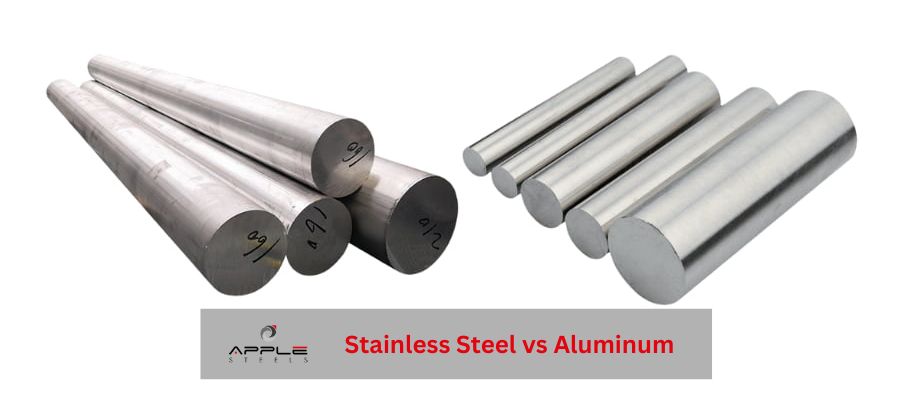
Stainless Steel Bars vs Aluminum
Stainless steel and aluminum bars are commonly used in construction, manufacturing, and many other industries. Here’s a comparison of their key properties:
Strength and Durability:
- Stainless Steel Bars: Known for their superior strength and durability, stainless steel bars can withstand high stress and pressure. They are highly corrosion-resistant, making them ideal for use in harsh environments.
- Aluminum Bars: While aluminum bars are strong, they are not as strong as stainless steel. However, they are more malleable and lightweight, making them easier to work with in applications where weight is a concern.
Weight:
- Stainless Steel Bars: Stainless steel bars are heavier than aluminum and add significant weight to structures. This can be a disadvantage in applications where weight reduction is critical.
- Aluminum Bars: Significantly lighter than stainless steel, aluminum bars are preferred in aerospace, automotive, and portable devices where weight is a crucial factor.
Corrosion Resistance:
- Stainless Steel Bars: Offer excellent corrosion resistance, especially grades like 304 and 316, often used in marine and chemical environments.
- Aluminum Bars are also corrosion-resistant but can rust when exposed to salty or highly acidic conditions unless anodized or treated.
Thermal Conductivity:
- Stainless steel bars have lower thermal conductivity than aluminum bars, making them less effective in applications requiring heat dissipation.
- Aluminum Bars: Known for their high thermal conductivity, aluminum bars are ideal for heat sinks and applications requiring efficient heat dissipation.
Types of Stainless Steel vs Aluminum
Both stainless steel and aluminum come in various grades and types, each suited for specific applications.
Types of Stainless Steel:
- 302 Stainless Steel: Contains around 18% chromium and 8% nickel, with higher carbon content. It is used in applications requiring good corrosion resistance and high tensile strength.
- 304 Stainless Steel: The most common stainless steel grade, containing approximately 18% chromium and 8% nickel. It is widely used in kitchen equipment, chemical containers, and architectural applications due to its excellent corrosion resistance and formability.
- 316 Stainless Steel: Distinguished by its addition of molybdenum (2-3%), which enhances its corrosion resistance, particularly against chlorides and industrial solvents. It is often used in marine environments, chemical processing, and medical devices.
Types of Aluminum:
- 1100 Aluminum: Commercially pure aluminum known for its excellent corrosion resistance, high thermal conductivity, and good formability. Used in chemical and food processing industries.
- 2024 Aluminum: High-strength aluminum alloy with good fatigue resistance. Commonly used in aerospace applications.
- 6061 Aluminum: Versatile aluminum alloy with good mechanical properties, weldability, and corrosion resistance. It is used in structural applications and the automotive and marine industries.
- 7075 Aluminum: High-strength aluminum alloy primarily used in aerospace applications due to its excellent mechanical properties.
Stainless Steel vs Aluminum Price
The price of stainless steel and aluminum can vary depending on market conditions, grade, and specific alloy. Generally, stainless steel is more expensive than aluminum due to its higher strength, durability, and corrosion resistance.
- Stainless Steel: Typically ranges from $2 to $5 per kilogram, depending on the grade and finish.
- Aluminum: Generally cheaper, with prices ranging from $1.50 to $3 per kilogram.
Which is Better: Stainless Steel or Aluminum?
The answer to this question depends on the specific requirements of the application. Here are some factors to consider:
- Strength and Durability: If strength and durability are the primary concerns, stainless steel is the better choice.
- Weight: For applications where weight is critical, aluminum is preferable due to its lightweight nature.
- Corrosion Resistance: Both materials offer good corrosion resistance, but stainless steel is superior in harsh environments.
- Thermal Conductivity: For applications requiring efficient heat dissipation, aluminum is the better option.
- Cost: If budget is a major concern, aluminum is generally less expensive than stainless steel.
When to Use Aluminum vs Stainless Steel
- Aluminum:
- Aerospace and automotive industries where weight reduction is crucial.
- Heat sinks and thermal applications due to its high thermal conductivity.
- Portable devices and applications where ease of handling is important.
- Stainless Steel:
- Construction and structural applications require high strength and durability.
- Marine and chemical environments where superior corrosion resistance is needed.
- Food processing and medical equipment due to its hygienic properties.
Which is More Expensive: Aluminum or Stainless Steel?
As mentioned earlier, stainless steel is generally more expensive than aluminum. Its enhanced strength, durability, and corrosion resistance justify the higher cost. Aluminum, being more affordable, is often chosen for projects where budget constraints are considered.
Conclusion
Both stainless steel and aluminum have unique advantages and are suitable for different applications. Stainless steel is ideal for high strength, durability, and corrosion resistance, while aluminum is preferred for its lightweight, malleability, and thermal conductivity. Understanding the specific needs of your project will help you make an informed decision on which material to use. Whether you prioritize cost, weight, or performance, both materials offer valuable benefits that can meet a wide range of requirements.