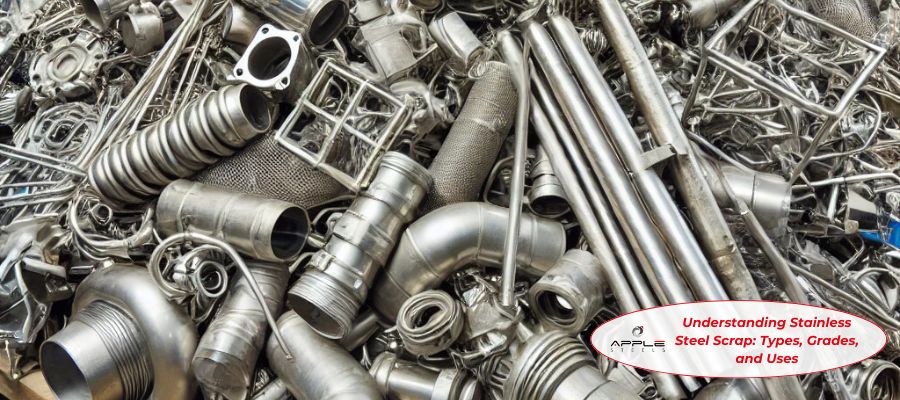
The demand for stainless steel scrap metal is on the rise due to its recyclability and cost-effectiveness. As industries look for sustainable materials, scrap metal and recycling have become essential components of the global metal supply chain. In this blog, we will explore the types, grades, and applications of stainless steel scrap metal, along with factors influencing stainless steel scrap prices.
What is Stainless Steel Scrap?
Stainless steel scrap metal consists of discarded stainless steel materials that are collected for scrap metal recycling. This metal retains its properties even after being melted and reprocessed, making it a valuable resource for various industries. Scrap metal rates fluctuate based on market demand, quality, and processing costs.
Types of Stainless Steel Scrap
There are different types of SS scrap metal, classified based on composition and industry use. The most common types include:
1. Austenitic Stainless Steel Scrap
This is the most widely recycled stainless steel scrap metal, containing chromium and nickel. Grades like 304 and 316 stainless steel are commonly found in kitchenware, pipes, and medical equipment.
2. Ferritic Stainless Steel Scrap
Containing chromium but little to no nickel, ferritic stainless steel is used in automotive parts and appliances. Popular grades include 430 and 409 stainless steel scrap.
3. Martensitic Stainless Steel Scrap
Known for its hardness and strength, this scrap metal is often used in cutlery, turbine blades, and medical instruments. Common grades include 410 and 420 stainless steel.
4. Duplex Stainless Steel Scrap
A combination of austenitic and ferritic stainless steel, this scrap metal is corrosion-resistant and commonly used in marine and chemical industries.
5. Precipitation Hardening Stainless Steel Scrap
This type is used in aerospace and high-performance applications. It contains additional elements like copper and aluminum for enhanced strength.
Stainless Steel Scrap Grades and Their Applications
SS scrap metal is classified into different grades based on chemical composition. Some commonly recycled grades include:
- 304 Stainless Steel Scrap: Used in food processing equipment, sinks, and architectural structures.
- 316 Stainless Steel Scrap: Found in marine applications, medical devices, and chemical industries.
- 430 Stainless Steel Scrap: Used in automotive trims, kitchen appliances, and industrial parts.
- 201 Stainless Steel Scrap: Common in decorative items and low-cost appliances.
- 2205 Duplex Stainless Steel Scrap: Popular in oil and gas applications due to its strength and corrosion resistance.
Uses of Stainless Steel Scrap
Recycling stainless steel scrap metal helps industries save costs and reduce environmental impact. Some major uses include:
1. Manufacturing New Stainless Steel Products
Reprocessed SS scrap metal is melted and refined to produce new stainless steel sheets, bars, and pipes.
2. Construction and Infrastructure
Scrap metal and recycling contribute to the production of beams, panels, and structural components.
3. Automotive and Aerospace Industries
Recycled stainless steel scrap metal is used in car frames, engine parts, and aircraft components.
4. Medical and Food Industry
High-quality stainless steel scrap is essential for producing sterilized surgical tools and food-grade containers.
5. Renewable Energy Projects
Wind turbines, solar panel frames, and other energy-efficient structures use recycled stainless steel scrap metal.
Factors Affecting Stainless Steel Scrap Prices
The SS scrap price is influenced by various factors, including:
- Market Demand: The need for stainless steel in industries affects scrap metal rates.
- Grade and Purity: Higher-grade stainless steel scrap metal fetches better scrap metal value.
- Processing Costs: Collection, sorting, and melting expenses impact scrap metal cost.
- Global Metal Prices: The price of nickel, chromium, and iron affects stainless steel scrap prices.
- Recycling Rates: The efficiency of metal recycling rates determines overall availability and pricing.
Benefits of Stainless Steel Scrap Recycling
Recycling stainless steel scrap metal provides economic and environmental benefits, such as:
- Reduces Raw Material Demand: Minimizes the need for mining new ores.
- Energy Efficient: Saves up to 70% of energy compared to producing new stainless steel.
- Lower Greenhouse Gas Emissions: Reduces carbon footprint by minimizing waste.
- Cost-Effective Manufacturing: Helps industries cut down on material expenses.
Conclusion
Understanding stainless steel scrap metal is essential for industries and recyclers looking to maximize scrap metal value. With fluctuating stainless steel scrap prices, knowing the different types and grades can help businesses make informed decisions. As scrap metal and recycling continue to shape the future of metal industries, investing in SS scrap metal can lead to cost savings and sustainability.