Aluminum bars are a versatile and essential component in various industries, from construction to manufacturing. Their lightweight, corrosion resistance and high strength-to-weight ratio make them a preferred choice for numerous applications. Among the many grades of aluminum available, 1050 Aluminium Bars and 1060 Aluminium Bars are highly sought after due to their specific properties and advantages. In this blog, we’ll explore the features, benefits, and common uses of these aluminum bars.
What Are Aluminium Bars?
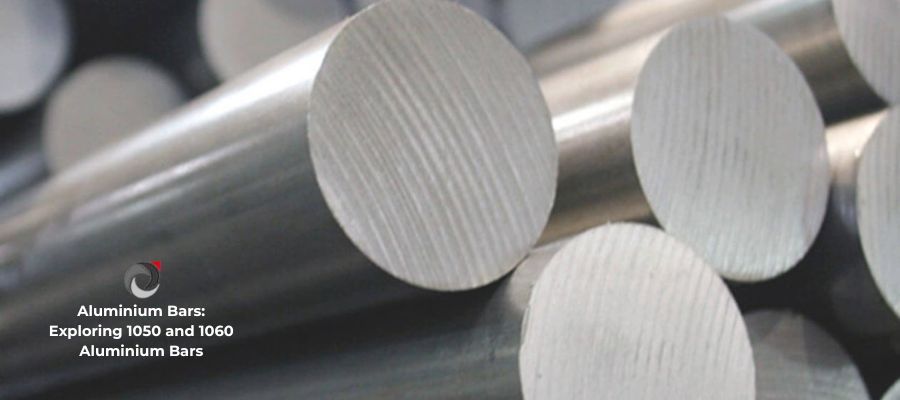
Aluminum bars are long, solid pieces of aluminum that can come in a variety of shapes, including round, square, and rectangular. They are commonly used in construction, electrical applications, and transportation due to their excellent corrosion resistance, low density, and good conductivity. These bars are also easy to work with, which makes them popular for machining, welding, and fabrication.
Key Features of 1050 Aluminium Bars
1050 Aluminium Bars are part of the 1000 series of aluminum, which is known for its high purity (99.5% aluminum). The high aluminum content provides excellent corrosion resistance, making these bars suitable for environments exposed to water or chemicals. Here are some of the key characteristics of 1050 Aluminium Bars:
- High Conductivity: With superior electrical conductivity, 1050 Aluminium Bars are commonly used in electrical applications.
- Excellent Corrosion Resistance: These bars resist rust and oxidation, even when exposed to harsh environments, making them ideal for outdoor and industrial applications.
- Formability: The soft and malleable nature of 1050 Aluminium Bars allows for easy forming, cutting, and shaping without cracking.
Key Features of 1060 Aluminium Bars
Like 1050 aluminum, 1060 Aluminium Bars are part of the 1000 series and are known for their high purity (99.6% aluminum). The slight difference in purity gives 1060 Aluminium Bars a slight edge in strength compared to 1050 while maintaining excellent corrosion resistance and conductivity. Here are the main features of 1060 Aluminium Bars:
- High Corrosion Resistance: These bars provide outstanding protection against corrosion, especially in humid or chemical-exposed environments.
- Thermal and Electrical Conductivity: With high thermal and electrical conductivity, 1060 Aluminium Bars are often used in heat exchangers and electrical components.
- Workability: 1060 Aluminium Bars offer excellent formability and are easy to machine, making them a great choice for projects requiring bending or shaping.
Differences Between 1050 and 1060 Aluminium Bars
- Aluminium Purity
- 1050 Aluminium Bars contain 99.5% aluminum, while 1060 Aluminium Bars have a slightly higher purity level of 99.6%. This makes 1060 Aluminium Bars marginally stronger, although both grades are still classified as soft aluminum.
- Applications
- 1050 Aluminium Bars are typically used in applications where electrical conductivity is crucial, such as in electrical wiring and components.
- 1060 Aluminium Bars are better suited for applications where a balance between strength and corrosion resistance is needed, such as in chemical and industrial environments.
- Strength
- While both types of aluminum bars are soft and easily formable, 1060 Aluminium Bars offer slightly better strength than 1050 Aluminium Bars, making them a better choice for applications where minor improvements in mechanical properties are required.
Common Applications of 1050 and 1060 Aluminium Bars
- Electrical Industry: Both 1050 Aluminium Bars and 1060 Aluminium Bars are widely used in electrical applications due to their high electrical conductivity. They are found in components such as bus bars, conductors, and transformers.
- Heat Exchangers: Thanks to their thermal conductivity, 1060 Aluminium Bars are commonly used in heat exchangers and refrigeration systems, helping to efficiently transfer heat in a wide range of industries.
- Chemical Equipment: The high corrosion resistance of both 1050 Aluminium Bars and 1060 Aluminium Bars makes them perfect for chemical processing equipment, where they resist degradation from chemicals and moisture.
- Construction and Architecture: Aluminium bars, including the 1050 and 1060 grades, are frequently used in construction for architectural details, frames, and supports due to their lightweight nature and corrosion resistance.
- Signage and Decorative Elements: The ease of forming and shaping 1050 Aluminium Bars makes them ideal for decorative elements, signage, and intricate design work in various industries.
Conclusion
Both 1050 Aluminium Bars and 1060 Aluminium Bars offer a range of benefits depending on the specific requirements of your project. While 1050 Aluminium Bars are well-suited for applications requiring high electrical conductivity, 1060 Aluminium Bars provide a slight increase in strength and durability, making them ideal for more demanding applications. With their corrosion resistance, workability, and lightweight nature, aluminum bars remain a versatile and essential material across many industries. differences can help ensure that your piping system is both efficient and durable in the long run.